
You have just opened a new bag of beans, and the first espresso runs too fast. You grind finer for the next shot, but it slows down a lot. Your hand pauses over the dial: did you turn it too far?
When you look at a new grinder, burr diameter is easy to compare. The details that make it easier or harder to use every day are often smaller: can you adjust a little finer, how much work is involved when you switch beans, and what needs cleaning after you make coffee? Burrs matter, and so do these repeated steps.
Once it can grind fine enough, can you adjust it to the right setting?
Espresso needs a fine grind and often calls for small adjustments. When comparing grinders, look at whether the markings are clear and you can find a setting again after cleaning or switching beans.
Stepped adjustment makes it easy to note each position; stepless adjustment lets you fine-tune between markings. If you also make pour-over coffee, consider how easy it is to move back from a coarse setting and find your espresso setting again. That is closer to the work you will actually do than comparing the total number of markings.

Does weighing every dose make life easier or add another step?
One coffee in the morning, decaf in the evening, and another choice for someone else at home: this is where Single Dose is straightforward. Weigh the portion you want for that cup, then grind it.
If everyone is making several cups in a row from the same beans, weighing a fresh dose for every cup may add work. A suitable hopper grinder can reduce repeated dosing, though you still need to check its dose output and adjustment method.
If you already have a hopper grinder that works well, keep using it. Think through how many cups you make each day and how often you switch beans before deciding whether Single Dose suits you. That is more practical than replacing a grinder just for a low-retention label.

How can 18g in and 18g out still include old grounds?
Coffee grounds left inside the grinder after grinding are called retained grounds. With exchange retention, some grounds from the previous dose come out with the next grind while some fresh grounds stay inside.
If the old grounds that come out and the new grounds left inside weigh about the same, the scale can still show 18g in and 18g out. The matching weights tell you the total is similar; they do not tell you which grind the grounds came from.
At home, keep the beans, dose, grind setting, and routine the same, then record input and output weights over several runs. Note when you last cleaned the grinder, how much extra coffee you purged, and your scale's precision too. The records help show your grinder's output pattern, but they do not measure the proportion of exchange retention.
If the coffee tastes unfamiliar after you switch beans, check the recipe as well. The beans, grind setting, dose, beverage weight, and puck preparation all affect the result; weight records are only one clue.

After making coffee, check how much cleanup remains
Do not stop watching a product demonstration when the grounds come out. Look at how the outlet and dosing cup are cleaned, which parts need to come apart, and how the grinder is recalibrated after reassembly. A grinder can be quick, but if you do not want to clean it, that will affect how you use it over time.
Static is another part of that routine. The RDT method of adding water to beans is common online, but the Niche care instructions referenced here say to keep the bean inlet and interior dry and avoid moisture. Read the Niche Zero care instructions; do not treat spraying water as a standard step for every grinder.

Would you rather save effort with an electric grinder or grind by hand?
If you have decided on dosing beans for each cup but want to avoid hand grinding, compare the Niche Zero and Niche Duo. Both use single dosing and stepless adjustment. The Zero has 63mm conical burrs; the Duo has 83mm flat burrs. The Duo has different espresso and pour-over burr purchase options, so check which set is included in the configuration you choose.
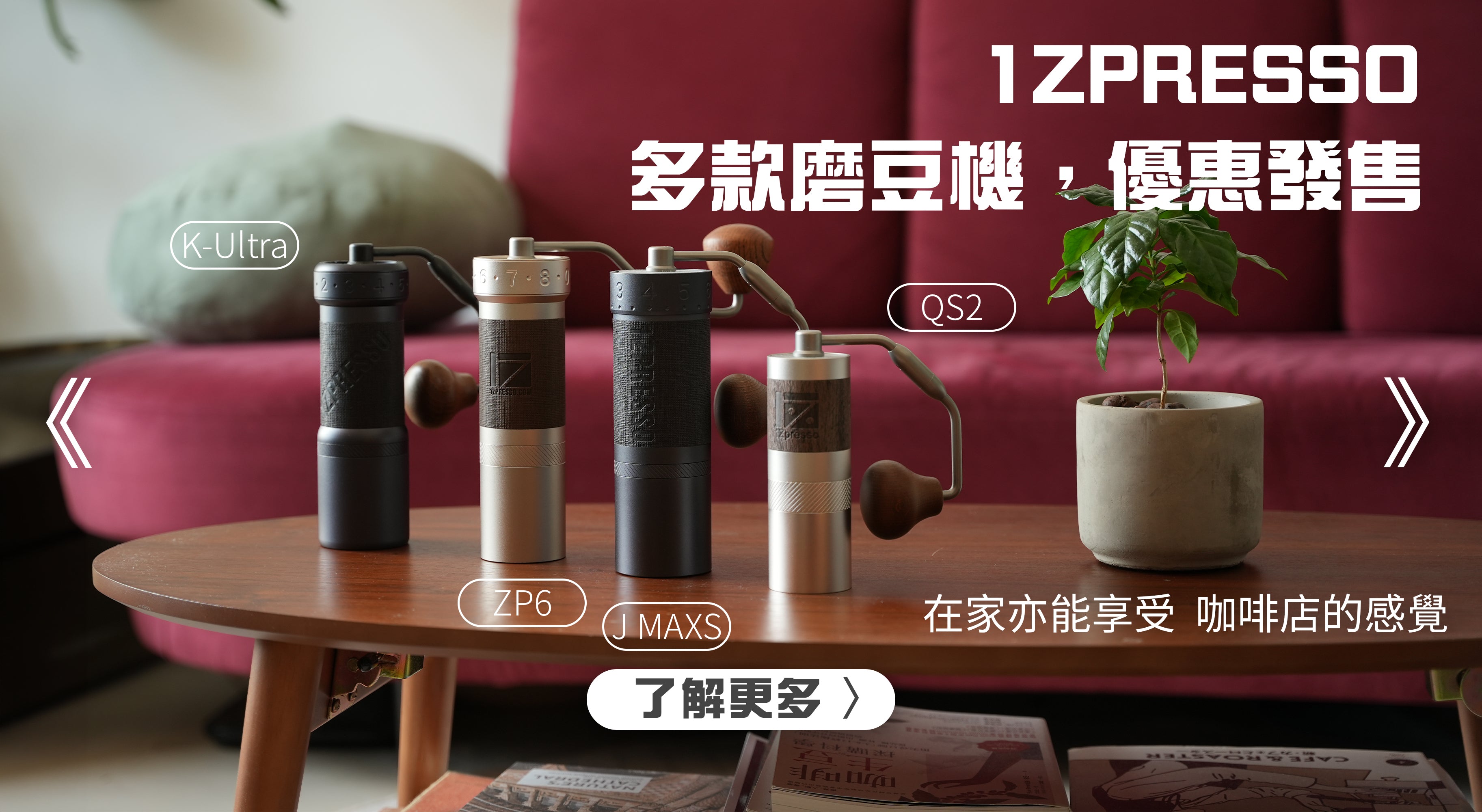
If you make one or two cups a day and are happy to grind by hand, compare the external adjustment on the 1Zpresso J-Ultra with the stepless adjustment on the Kinu M47 Classic. The J-Ultra's official specification lists 8μm of burr movement per step; that is the adjustment distance, not the size of the ground coffee particles. Try your usual beans and dose, and consider the effort of a fine espresso grind, especially if you make several cups in a row.

Each of these options is a single-dose grinder. If a hopper grinder suits your routine of making several cups in a row, compare hopper models by dosing and cleaning instead; you do not have to limit your choice to the options here.
If your current grinder already makes steady small adjustments and you can find the setting again after cleaning, we would first recommend recording the recipe and continuing to use it. If you do want to change, compare the step that bothers you most: is a fine grind too much effort, is switching beans inconvenient, or is it hard to return to a setting? A new grinder makes sense when it improves that step.
Does Single Dose guarantee there are no retained grounds?
Single Dose describes weighing a portion of beans for each grind. Retained grounds, exchange, and cleaning needs still depend on the grinder's design and how you use it.
What should you check if one grinder handles both espresso and pour-over?
Along with its adjustment range for both brewing methods, check how easily you can switch and find your settings again. Note both positions; you may still need a small adjustment when you return to the other method.
To improve today's cup, continue with Choosing a Coffee Grind Size. If a hand grinder starts producing unfamiliar-tasting coffee, see Hand Grinder Cleaning and Flavour.