

In a coffee machine video, the moment you want to try is often the espresso flowing or the finished latte art. At home, there are more steps before and after that cup: turning on the machine, grinding, preparing the puck, steaming milk, and cleaning up.
If you make two lattes every morning, whether those steps fit together matters more than one extra adjustable feature. A slow weekend espresso is a different routine. Start with the drink you want from your first machine.
How much time do you have in the morning? Extraction is only part of it
Extraction is one step. Starting with a cold machine, you may also need to preheat or boil water, weigh and grind the beans, distribute and tamp the coffee, steam milk and pour for a milk drink, then clean up. With manual equipment, you may need to add water, preheat, or assemble it again for each cup.
The official MaraX PL62X product page, for example, describes a 24-minute warm-up to brewing temperature. If you have only 10 minutes between switching on the machine and leaving, consider whether you can preheat it earlier. If you can only turn it on when you are ready to make coffee, this setup may not suit your morning. Follow the ready indicator and the manual; the 24 minutes are not the total time to make a latte.
Two people can both want a latte and still choose different machines: one may be able to switch the machine on in advance, while the other needs it ready on demand.

If you enjoy being hands-on with each cup, manual equipment can be your first machine
If you drink black coffee and enjoy watching the shot and applying pressure yourself, consider a hand-press or lever machine. The appeal is the hands-on brewing; you will also need to learn its pressure and heat management.
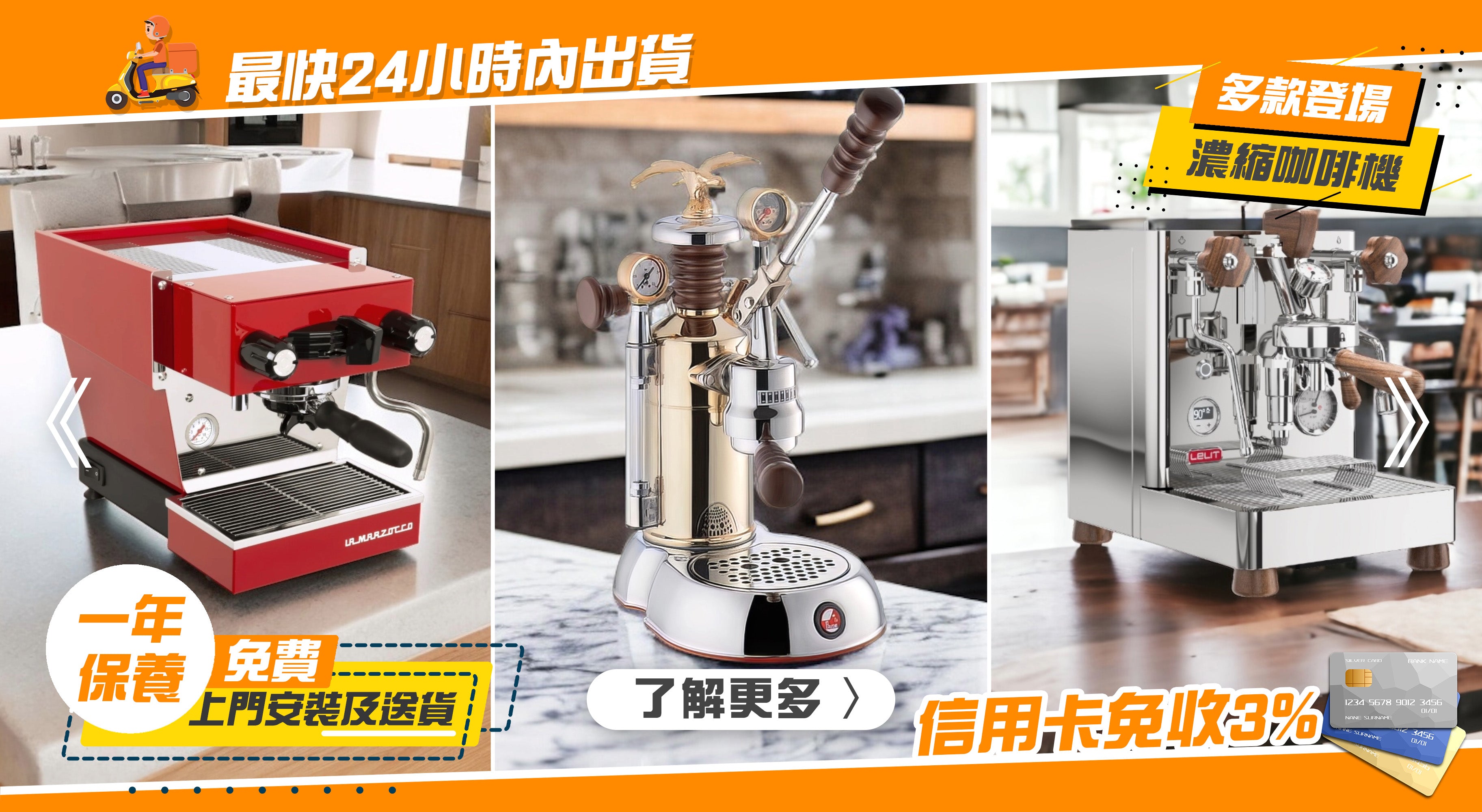
La Pavoni Europiccola Lusso is a direct-lever example: raising the lever lets water in, then you press it down to extract. It has a steam wand, so a manual machine can also make milk drinks. Spring-lever designs work differently; check the exact model before choosing.

If you prefer making espresso on a stovetop, consider the 9Barista. Its pressure mechanism differs from a lever machine. Check whether it suits your stove and how to cool and prepare it for another cup. For milk drinks, plan a separate way to steam milk too.

For daily lattes, look at how milk steaming follows the shot
A semi-automatic machine with a steam wand can still make milk drinks in different ways. For one cup, you can extract first, wait for the temperature change, then steam the milk. If two people are heading out together and the second drink is still waiting, that gap matters more.
| Route | What to consider in the milk drink workflow | Ask yourself when comparing |
|---|---|---|
| Single boiler | Brewing and steam use different temperatures; follow the machine's procedure and wait when switching. | Are you comfortable brewing first and steaming milk afterward? |
| Heat exchanger (HX) | A steam boiler works with a heat exchanger for brewing; temperature and back-to-back use depend on the exact model. | Would an easier transition to steaming help, and are you willing to learn the machine's modes? |
| Dual boiler | Brewing and steam are heated separately; models that support simultaneous operation can overlap the two steps. | Do you often make milk drinks in a row, and will you use simultaneous operation? |
For one latte a day and a sequential workflow, start by comparing the Lelit Anna PL41TEM. It has PID boiler temperature settings and a steam wand. As a single-boiler machine, it still needs a switch between brewing and steam; PID does not let you do both at once.
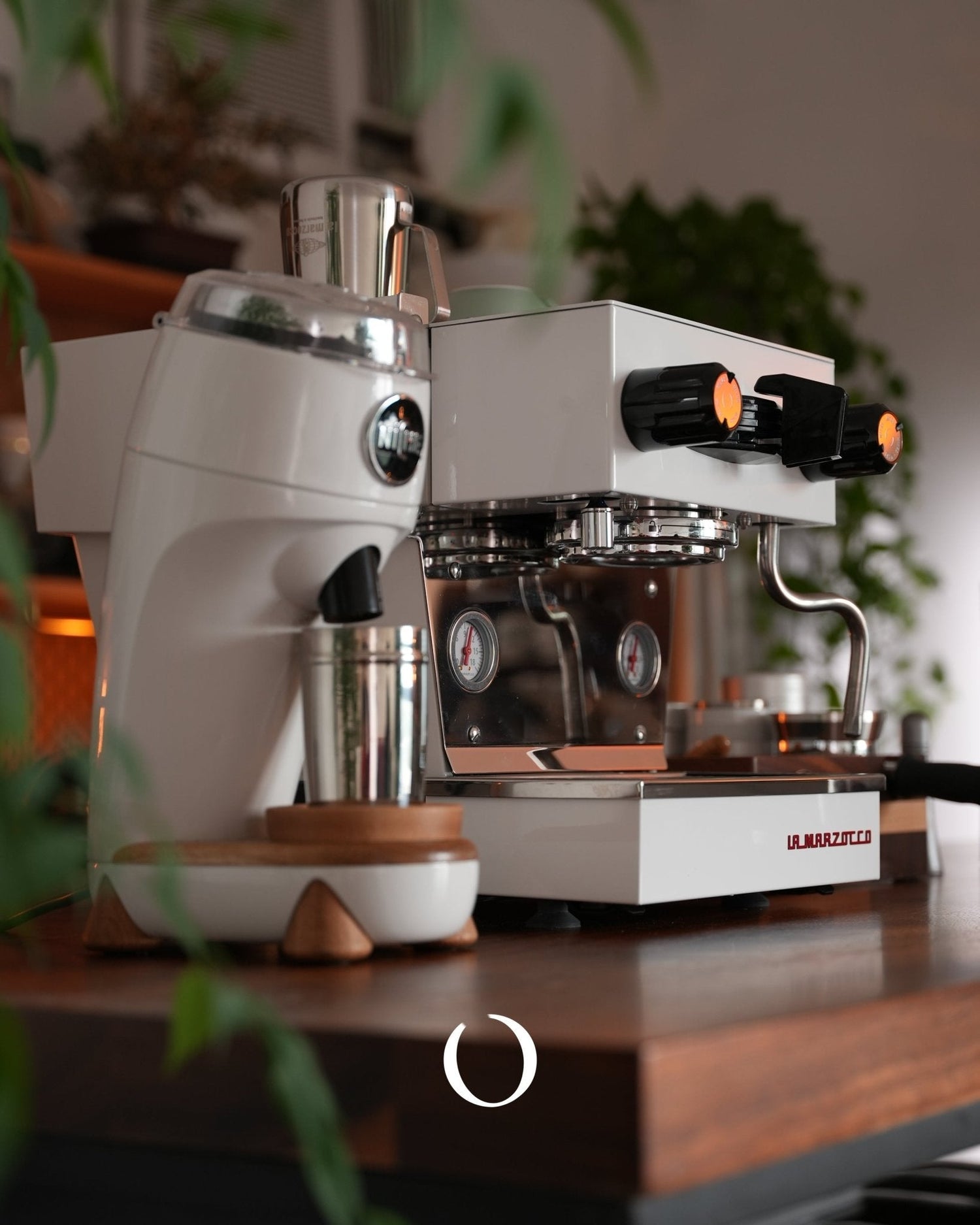
For a more continuous coffee-and-milk routine, compare the HX design of the Lelit MaraX V2 PL62X. It has Xmode Coffee, Xmode Steam, and a steam-boost function. Choose the mode for the drink you are making; other HX machines need to be checked individually.

A dual boiler is useful when you will brew and steam at the same time
If you make milk drinks every day and want to steam while extracting, a dual boiler has a clear purpose. The Lelit Bianca V3 heats brew water and steam separately and supports simultaneous extraction and steaming. Its manual flow-control paddle offers another adjustment to learn.
The flow control is appealing, but the grind and puck preparation still need to be right. If you mainly make one black coffee a day and rarely steam milk, put simultaneous steam further down your list and keep the budget for a suitable grinder or another need you have.

A Bianca home-use record published in 2025 shares roughly six months of use at the time. One practical detail is that the external water tank can sit on the left, right, or rear, which can help with a counter under wall cabinets; you can also check this against the official specifications. Even if the machine fits, check whether you can reach in to refill it.
Leave room for the grinder and cleanup too
The espresso machine is only part of the counter setup. Leave space for the grinder, scale, tamping tools, and milk pitcher, plus room to refill the water and remove the drip tray. Follow the machine's manual for safe clearances and power.
Keep the grinder in the same budget. If espresso runs too fast, you need a suitable fine grind and small adjustments; a flow-control feature cannot replace them. If you have not chosen a grinder, continue with Choosing an Espresso Grinder: What Matters Beyond the Burrs?.
If you enjoy applying pressure one cup at a time, compare the exact manual equipment. For one daily latte and a sequential routine, the Anna is a direct starting point. If back-to-back drinks and steaming are the sticking points, compare the MaraX or Bianca.
Does a beginner have to choose a semi-automatic machine?
If you want one machine for heating and steaming milk, compare semi-automatics with a steam wand. If you enjoy applying pressure by hand for each cup, manual equipment can also be a starting point. The steps you need to practise differ; choose the routine you are willing to learn.
Do you need a dual boiler for black coffee?
If you rarely steam milk, simultaneous brewing and steaming may not matter much. Compare the brewing routine, warm-up, workspace, and total budget with the grinder before deciding whether the extra features are useful.