
It is the same drip coffee, and your friend says it is aromatic and clean. Why does yours taste only bitter and astringent?
There may be more than one answer. Water temperature, coffee-to-water ratio, pouring method and coffee freshness can all affect the result. From our conversations with customers, however, we have noticed one easily overlooked difference:After completing the brand’s recommended pouring and brewing process, did you remove the drip bag as instructed?
If the drip bag remains in contact with the brewed coffee for a long time after the intended brew has finished, the contact time between the grounds and water may be extended unintentionally, taking the result away from the original recipe. This is not necessarily the only cause of every bitter or astringent cup, but it is a useful first point to check.

The short answer: first check whether the drip bag is still touching the coffee
- Bitterness and astringency do not necessarily mean the beans are poor; water temperature, ratio, pouring and storage condition also matter.
- If the brand’s recipe does not call for immersion, leaving the drip bag in contact with the coffee for a long time after the intended brew has finished may increase the chance of over-extraction and bitterness or astringency.
- About 10g, a 1:15 ratio and total water of about 150g are only a common example. Always follow the instructions on the drip bag or from the roaster.
- If drip coffee is your main use, consider L Size first; if you want both drip coffee and everyday drinking, consider Alpha Size.

What is easiest to overlook when brewing drip coffee at the office?
We have seen this happen in the Office and have heard similar experiences from many customers. You only want to brew a cup for a little energy, but the phone rings just as you start pouring; a colleague needs you halfway through; or a meeting begins just as you are about to finish.
When you return more than ten minutes—or even half an hour—later, the drip bag may still be in the cup, with its bottom soaking in the coffee. The result may taste more bitter and astringent, and the first reaction is often: “Does this coffee brand simply not taste good?”
Yet what changed may not be the beans, but the unexpectedly extended contact time between the grounds and water.

What should you do when work interrupts the brew?
If you suddenly need to leave while brewing, the most practical response is not to force yourself through every step. First lift the drip bag away from the coffee and place it on a heat-resistant saucer or container prepared in advance.
Even if you have not completed the original recipe, this prevents contact time from continuing without control. When you return, use the amount of water already poured and the actual taste to decide whether to drink it as is, adjust it with water, or brew again.
Preparing a small saucer before making drip coffee in the Office may seem like a minor habit, but it gives you somewhere to place the bag quickly when a call, colleague or meeting suddenly needs your attention.
Why can prolonged contact with the coffee make a drip bag brew more bitter and astringent?
During brewing, hot water extracts soluble compounds from the coffee. When the amount of water, contact time and pouring follow the recipe, the sweetness, acidity, aroma and texture intended by the roaster are more likely to remain within the expected range.
If the bag remains immersed in the coffee for a long time after the brand’s recommended pouring and brewing process is complete, contact between the grounds and water may exceed the original recipe and increase the chance of over-extraction. Bitterness or astringency may become more prominent and mask subtler flavours.
This does not mean that all immersion brewing is bad. Some drip bags or coffee recipes deliberately use immersion; when time, coffee-to-water ratio and steps are all part of the design, it can still be a complete brewing method.
What we mean here is unplanned immersion caused by work or another interruption, which extends contact time without control.

How do you calculate the coffee-to-water ratio for drip coffee? About 10g, 1:15 and 150g
Before brewing, first read the packaging or the roaster’s recipe card. The dose, bag design and recommended recipe can differ between brands.
About 10g of coffee × 1:15 = about 150g total water
Here, 1:15 is the input ratio of coffee to total water. About 10g of coffee with about 150g of total water does not mean the cup will contain exactly 150g of brewed coffee, because the grounds and drip bag also retain some water.
Likewise, cup capacity is the volume of the cup,not the recommended water target for the drip bag. A larger cup does not mean you should keep pouring one bag until the coffee nearly reaches the cup’s capacity.

What can cup shape help with—and what can it not do?
Cup shape cannot replace removing the drip bag on time, nor can it guarantee that the coffee will never be over-extracted. A suitable rim and body, however, can make the support of the paper arms, the pouring position and the liquid level easier to observe.
If drip bags are your main everyday brewing method, you can choose a cup by considering the physical relationship between the paper-arm supports, bag depth and coffee level.
Why can drip-bag users consider Sharing Cup L Size first?
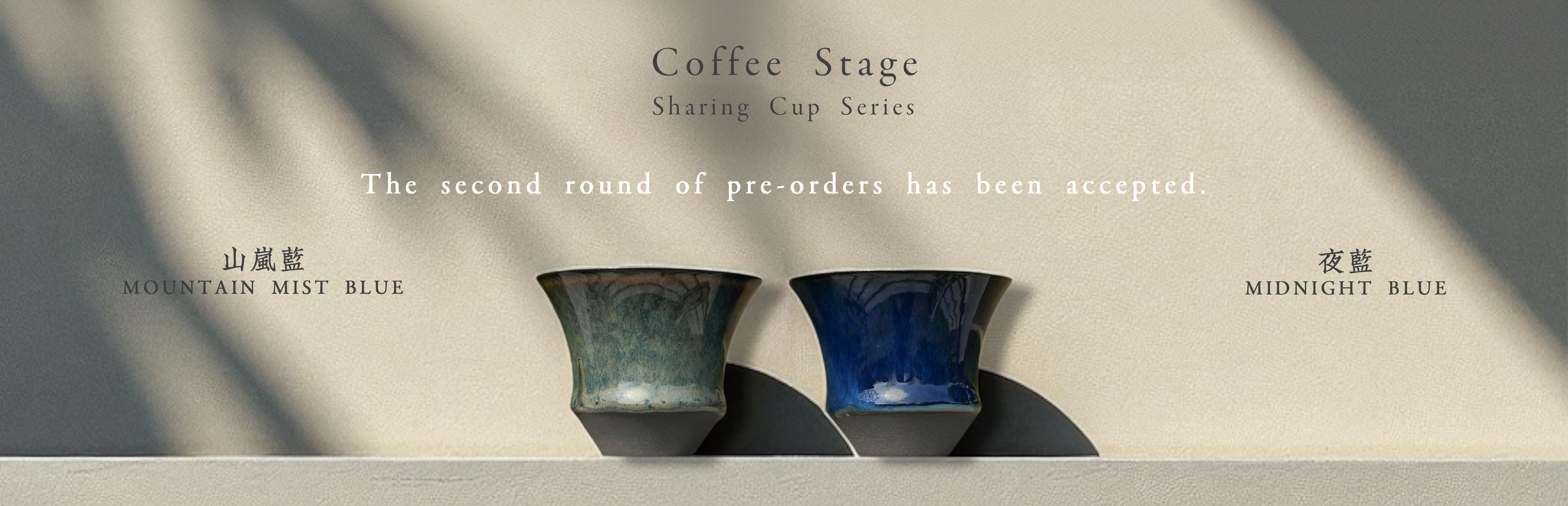
If you mainly use drip bags, our first suggestion is Coffee Stage Sharing Cup L Size. Its wider rim and roomier body leave more working space for the paper-arm supports and for the distance between the hanging bag and the coffee level.
For Office use, this approach can reduce the need for an extra stand or server, and you can drink directly from the cup after brewing.
Paper-arm width, bag depth and coffee dose vary between brands. L Size cannot guarantee that the bottom of every drip bag will always remain above the liquid, and it does not replace following the recipe and removing the bag on time. When trying a new drip bag, check its actual support position and the changing liquid level.


View / shop Sharing Cup L Size
When is Sharing Cup Alpha Size suitable?
If you use drip bags but also value everyday drinking and the design direction of Sharing Cup’s recessed rim, consider Coffee Stage Sharing Cup Alpha Size.
Alpha Size can also be used with drip bags, but drip-bag support is not its sole priority. The two cups can be understood as follows:
| Main use | Suggested direction |
|---|---|
| Drip-bag brewing is the main use | L Size |
| Drip bags + everyday drinking and a recessed rim | Alpha Size |
Actual use still needs to be adjusted for bag shape, dose and liquid level. Whichever cup you choose, if brewing is interrupted, the most important step is still to lift the drip bag away from the coffee first.


View / shop Sharing Cup Alpha Size
If the drip coffee is still bitter or astringent, what else can you check?
After removing the drip bag and bringing contact time back to the intended recipe, check the following one at a time if the coffee remains bitter or astringent:
- Does the water temperature match the packaging or roaster’s recommendation?
- Do the coffee dose and total water match the recipe?
- Was the water poured too quickly or concentrated in one area for too long?
- Did the drip bag continue touching the coffee after the intended brew had finished?
- Do the coffee’s roast level, storage condition and flavour direction suit your preferences?
Changing only one variable at a time makes it easier to identify what truly affects the taste than changing temperature, ratio and pouring method together.
Frequently asked questions
Does bitterness always mean that drip coffee is over-extracted?
No. Roast level, water temperature, coffee-to-water ratio, pouring method and storage condition can all affect bitterness. Unplanned prolonged contact is only one cause worth checking early.
Should you remove the drip bag immediately after brewing?
Follow the brand’s or roaster’s brewing instructions first. If the recipe does not call for immersion, remove the bag as instructed after completing the recommended pouring and brewing process. For a deliberately designed immersion recipe, follow its water volume and timing.
Does 1:15 apply to every drip bag?
No. About 10g of coffee, a 1:15 ratio and total water of about 150g are only a common example. Follow the instructions for that drip bag or from its roaster.
Which is more suitable for drip coffee, L Size or Alpha Size?
If drip bags are the main use, we suggest L Size first. If you want drip-bag use, everyday drinking and a recessed rim, consider Alpha Size. Neither cup can guarantee that the bottom of every bag design will always remain above the liquid.
Does using L Size guarantee that the drip bag will not touch the coffee?
No. Bag depth and support method vary, and the actual liquid level also depends on dose and water volume. L Size is designed to leave more room around the paper arms, bag and liquid level; it is not a guarantee of complete compatibility with every brand.
Deal with brewing interruptions first, then choose the cup that suits you
If the same drip coffee tastes good when someone else brews it but only bitter and astringent when you do, it does not necessarily mean the beans are poor.
First check whether the drip bag remained in contact with the coffee for a long time after the brand’s recommended process had finished. Then follow the packaging to review water temperature, coffee-to-water ratio and pouring method. Cup shape can provide more suitable working space, but the taste of the cup still depends on the recipe, time and your actual brewing actions together.
Shop Coffee Stage Sharing Cup
Mainly for drip-bag brewing:View Sharing Cup L Size
Drip bags + everyday drinking and a recessed rim:View Sharing Cup Alpha Size
Explore the full series first:View the Coffee Stage Sharing Cup series