

When you drink coffee every day and your first serious attempt at tea offers only a little aroma, it is easy to want to steep it longer. In a real beginner’s question, someone had tried chamomile and found it like slightly flavoured water. They wondered whether they had brewed it too weak. Some replies recommended black tea, others ripe pu-erh. Yet another coffee-loving reader strongly disliked ripe pu-erh. These opposing experiences leave a practical question: being used to coffee alone is not enough to decide which tea to buy next.
We suggest brewing the tea you already have once according to its instructions, giving you a starting point you can repeat. If the method simply departed from those instructions, try again. If you want to change the strength, adjust just one variable next time. If it is the aroma you dislike, trying a small pack of another tea may be more useful.
First check what you are brewing
Turn over the packaging and read the product type, ingredients and brewing instructions. Is it mainly tea leaves? Does it include flowers, herbs or other ingredients? Is it a herbal infusion? Drinks may all be called “tea”, but your next choice still needs to come back to the specific product. If you dislike your first cup, keep that judgment specific to this one.

If you already have tea, start with it. Tea bags are a convenient everyday starting point, too. You can also keep using a cup you own if its maker’s instructions allow it to hold that drink. Starting out does not require switching to loose leaves and buying a whole tea set.
If you have not bought tea yet, tell the tea shop what you want to keep from your coffee routine, rather than only saying you normally drink coffee. You might want a drink with a roasted character, floral aromas that are not too prominent, or something that lets you keep adding milk. Ask for small samples recommended from the actual product descriptions. These conditions narrow the choice; you still have to taste the tea to know whether you like it.
For the first brew, follow this tea’s instructions and time it until the leaves are removed
Note the amount of tea, water volume, water temperature and time on the packaging, then brew it once as instructed. If it says only “one bag per cup” without specifying the cup volume, check the product’s official instructions or ask the seller to clarify the quantity first.
Use your phone as a timer. When the time is up, remove the tea bag or pour the tea into another suitable vessel to separate the leaves from the liquid. Wait until it reaches a comfortable drinking temperature. UK Tea Academy’s teaching material also stresses separating the leaves when the time is up: if the timer has sounded but the leaves are still soaking, the tea is still brewing.
Record the actual quantities and time, and use the same water source and equipment next time. Harney’s English Breakfast and Twinings UK’s Earl Grey 40 Tea Bags have different steeping instructions. When you try another tea, use that product’s starting point.
Look back at your notes after drinking. If you used too much water, forgot to time it or left the bag in throughout, brew it again according to the packaging first. With that cup as a reference, choose an adjustment below. Any changes to the amounts of tea and water or to the time in the table must stay within the workable ranges given for this product. Ask the seller about anything the instructions do not cover.
Choose one action for the next brew from the problem that matters most
What do you most want to change: overall strength, bitterness and astringency, or the aroma? Try the row that matters most to you. This is about finding a brew you enjoy more; bitterness or astringency alone does not establish that the tea steeped too long.
| What bothers you most about this cup | Change only this next time | How to decide after tasting |
|---|---|---|
| Too weak; you want clearer flavour | Keep the amount of tea, water temperature and time the same. Use less water only. | With clearer flavour, do you want to drink it more? If so, record this water volume. |
| You like the flavour, but the whole cup is too strong | Keep the amount of tea, water temperature and time the same. Use more water only. | If it is simply weaker and you still dislike it, consider whether the aroma itself is the problem. |
| Bitterness or astringency puts you off drinking it | Keep the tea amount, water volume and temperature the same. Shorten the steeping time only, removing the leaves or bag when time is up. | Is the bitterness or astringency more agreeable, and do you still like the other flavours? If you still do not want it, try another tea. |
| The flavour is clear, but you dislike the aroma | Try another small sample, starting with the new product’s packaging instructions. | Tell the seller which aroma you disliked and choose another direction. |
For example, if you choose the “too strong” row, use the same tea, amount of tea, water temperature and time next time. Increase only the water volume and record how much you use. Do not lengthen the time on this attempt; taste it before deciding whether to keep this water volume.
If a consistent brew still does not suit you, try another direction
If the same method gives you clear flavour and aroma every time, but you still do not want another cup, steeping longer may not be a useful next step. Take a specific impression with you when choosing another small pack: “It has a floral aroma, but I would like something less aromatic,” or “This aroma does not suit me; I want to try another direction.” That becomes the condition for your next tasting.
You do not need to recognise every flower first. You might simply note, “I like the flavour as I sip, but not the feeling left in my mouth.” Notes help you decide whether to brew again, adjust or change teas; they are not a tasting score for yourself. To distinguish what floral language on the packaging means, read about floral descriptions, scenting and ingredients.
Trying a small amount still means paying attention to one brewing method. In return, you avoid buying a large pack only to discover you do not want to drink it. Once you find a tea you enjoy, you can brew it that way every day. If you still prefer coffee for now, learning to like tea need not become a task.
Once you like the tea, choose a full cup or small refills
If you like holding a cup and drinking slowly while working, keep the suitable cup you already use. If you want smaller pours and a few sips at a time, finish brewing according to the tea’s method, separate the leaves, then serve it in small cups.

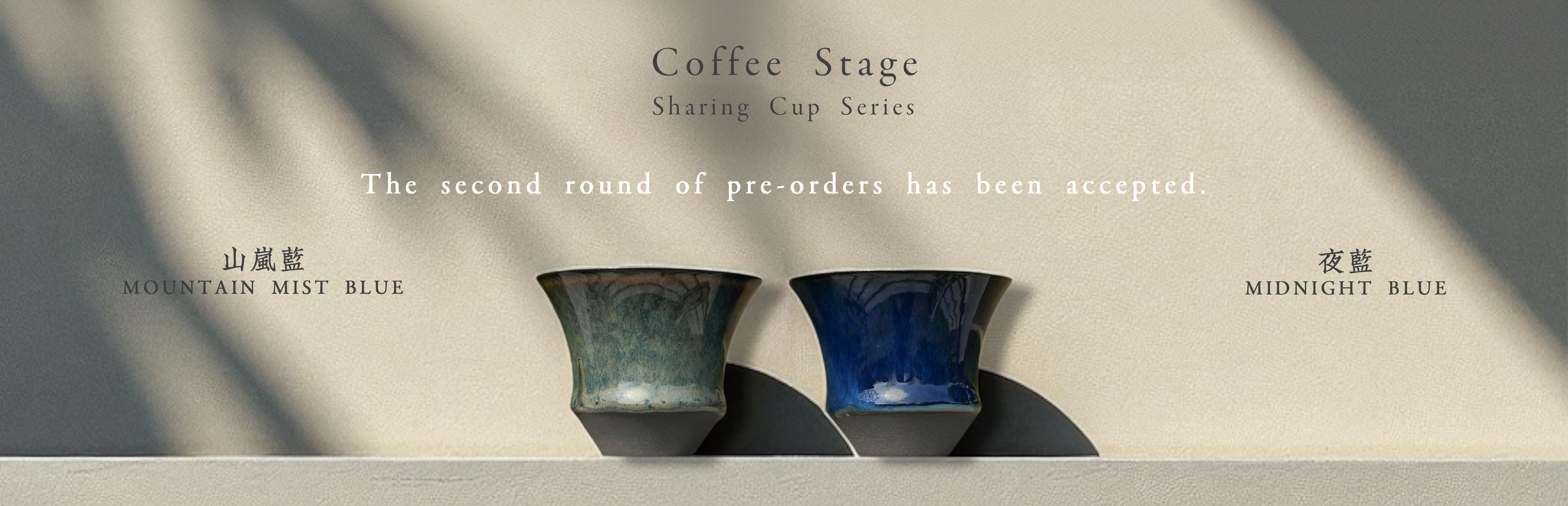
In our everyday use, small refills with Sharing Cup S are a way we enjoy drinking tea. That rhythm suits tea that has already been brewed. If the tea bag instructions call for a larger volume of water, brew it in a suitable vessel first, then divide it between cups. A small tasting cup is not a reason to squeeze in a whole bag and keep the original steeping time.