
Overview of the Kinu M47 Series
Kinu is known for high-quality hand grinders. Its flagship M47 line includes the Phoenix, Rebel, Classic and Titan models.Shared features of the Kinu M47 Series: The series uses 47 mm conical stainless-steel burrs with a precise stepless grind adjustment system, divided into 50 increments per full rotation (precision to 0.01 mm). Every model has four ball bearings for smooth grinding and uses a distinctive Morse-taper, all-metal structure to centre the burrs automatically. These engineering features produce highly uniform grounds and deliver excellent stability and repeatable precision for both espresso and pour-over coffee. Overall, the Kinu M47 Series is renowned for durable, dependable German engineering and was named one of “the best hand grinders on the market” by coffee authority James Hoffmann.

However, the models differ in materials, weight and design which gives each one a different use case and price position. We will examine the strengths and weaknesses of the Phoenix, Rebel, Classic and Titan, then compare them with other popular manual grinders such as the Comandante C40 and the 1Zpresso series to help you choose for different brewing needs.
| Model | Weight | Material | Key features | Best suited to | Price position |
|---|---|---|---|---|---|
| Kinu M47 Phoenix 2024 | Approx. 715g | Stainless steel + ABS | Light and portable, accessible design, strong value | Travel, pour-over coffee, beginners | Lower-mid range |
| Kinu M47 Rebel | Approx. 965g | All metal | All-metal construction, convenient adjustment, versatile performance | Daily use, multiple brewing methods | Mid-range |
| Kinu M47 Classic 2024 | Approx. 1170g | All metal | Fine stability, extremely consistent grinding, professional flagship | Serious coffee enthusiasts, espresso | High-end |
| Kinu M47 Titan | Approx. 1060g | Titanium | Limited edition, light yet strong, collectible, reinforced structure | Collecting, premium use | Limited high-end edition |
Kinu M47 Phoenix 2024: a lightweight, portable entry to the flagship line
Features and materials: The Kinu M47 Phoenix is the entry model in the M47 Series, designed to reduce weight and improve portability. Most of the Phoenix body retains its stainless-steel construction, but the bean hopper and lower grounds cup use food-grade ABS plastic and some mechanisms are simplified. For example, it omits the self-calibrating central shaft (automatic centring) used in the Classic to reduce structural complexity. These changes bring the Phoenix down to about 715 grams, making it lighter than the other models and well suited to travel. Its 47mm black-coated steel burrs remain unchanged, preserving its grinding performance.

Advantages: The lighter materials make the Phoenix easier to turn and less tiring during long grinding sessions. It retains Kinu’s precise stepless micro-adjustment scale(with the same adjustment precision as the other M47 models), covering grind sizes from French press and pour-over coffee to espresso.In terms of price, the Phoenix is positioned as the budget model and costs less than Kinu’s premium grinders and its competitors. According to a comparison by an Australian coffee-equipment retailer, its direct rival is the Comandante C40. Both use similar materials and bearing structures, but the Phoenix has a thicker shaft and wider bearings for added durability. More importantly, it costs about 100 US dollars less than the Comandante and was therefore judged the “clear winner” for value.
Disadvantages: To reduce weight, the Phoenix gives up some of the solidity of an all-metal build. Its plastic grounds cup feels less premium and may be less durable than metal, although the food-grade ABS remains reasonably robust. The absence of automatic centring may concern particularly exacting users, but Kinu says the Phoenix still uses a high-precision shaft design to keep grinding consistent without compromising performance to reduce cost. Overall, if you value portability, have a limited budget and still want Kinu’s core grinding capability, the Phoenix deserves consideration.
Best suited to: The Phoenix is ideal for coffee enthusiasts who travel or camp frequently, as well as those who mainly brew with pour-over drippers and filters. Its light design and the supplied hard travel case make it easy to carry without adding too much weight. For users looking for an entry-level upgrade, the Phoenix offers Kinu’s grinding precision at a relatively accessible price. It can also handle espresso, although its adjustment feel may be less refined than Kinu’s higher-end models.


Kinu M47 Rebel: a versatile, high-value model inspired by the Titan
Features and materials: The M47 Rebel was inspired by the limited-edition Titan. The Rebel uses the same grooved metal-body design as the Titan, giving it a fresh and distinctive appearance within the Kinu range. It has an all-metal stainless-steel body and internal components from the premium models. Its substance is close to the Classic, with a more industrial look. The Rebel also has 47 mm black-coated steel burrs and four-point bearing support, allowing the burrs to remain naturally centred and stable during grinding. Its all-metal construction and Morse-taper principle let the burrs centre automatically with very high precision, delivering consistent grounds every time.
Advantages: The Rebel can be seen as a simplified Classic or a more affordable Titan. Compared with the Classic, it retains the core grinding capability at a more accessible price(the official price is about HKD$2,499-$2,799, placing it in the middle of the range). The Rebel’s grooved grip is visually distinctive and improves slip resistance in use. Its all-metal internal structure also provides micrometre-level stepless adjustment, covering everything from very fine Turkish coffee to coarse French press. Its 47mm large burrs and smooth bearings grind quickly with less effort.Durability is another key strength. The stainless-steel body resists wear, while the magnetic grounds cup is secured by 11 magnets and stays firmly in place. The Rebel includes an EVA hard case for safer travel. Overall, it delivers an experience close to the premium models at a somewhat lower price and weight, with strong value for money.


Disadvantages: As it sits slightly below the Classic, the Rebel may not use equally luxurious materials in every detail. Available information places its total weight at about 965 grams, slightly below the Classic’s 1170 grams, perhaps because of differences in the lid or bean container. Some Rebel versions may lack the tactile scale clicks of the Classic adjustment ring. The Rebel instead uses completely smooth stepless adjustment, which comes down to preference. It lacks the Titan’s rare titanium construction and collectability, and is not as light as the Phoenix, but as the middle model it has few obvious weaknesses.
Best suited to: The versatile Rebel suits experienced users who value performance on a limited budget. If you want one grinder for both espresso and pour-over coffee, without paying for the Classic or Titan, the Rebel is an ideal choice. Its durable all-metal body suits long-term home use and occasional trips. In short, it balances professional grind quality with a reasonable price.
Kinu M47 Classic 2024: an upgraded professional flagship
Features and materials: The M47 Classic is Kinu’s signature model and regular-production flagship. Its body is entirely stainless steel, with first-rate solidity and feel. It has been called “a dependable piece of German precision engineering worth investing in”. It uses the same 47 mm black-coated conical steel burrs and precision bearings as the other M47 models, with extra refinements. Its adjustment has clear tactile scale steps, giving light feedback with every micro-adjustment. The Classic also uses a stainless-steel grounds cup held by magnets, more substantial and durable than an ABS cup. The upper bean opening is also stainless steel, bringing the total weight to about 1170 grams, with a noticeably weighty feel.


Advantages: As the Classic is the top regular-production model, it combines nearly all of Kinu’s best design features. The all-metal structure stays exceptionally stable during grinding, while its substantial body provides useful momentum and a planted feel. Users praise its build quality and handling: “It feels reassuringly heavy and solid; the brushing sound while grinding is satisfying and reminds you the money was well spent.” The Kinu Classic is known for rounded flavour and good sweetness. Its uniform grind supports rich sweetness and a long finish. For espresso or single-origin pour-over coffee, it produces stable, predictable flavour and allows precise tuning without dramatically shifting the coffee’s core character. James Hoffmann also praised Kinu’s assembly, feel, user experience and grind quality.
Disadvantages: Its clearest drawbacks are weight and price. its nearly 1.2 kg body is inconvenient to carry, so many people may not want to travel with it. The newer 2024 version is officially priced at about HKD$2,899-$3,199 or more, near the top of the category. Budget-conscious buyers should consider the cost carefully. Kinu nevertheless offers a 1-5-year warranty, and its durability may support decades of use.
Best suited to: The Classic best suits the most dedicated coffee enthusiasts or small commercial use. If you mainly brew at home and focus on espresso, its stable fine grinding makes dialling in easier. It also performs strongly for pour-over coffee across roast levels. For those who value equipment quality and have the budget, the Kinu M47 Classic is presented as a compelling choice.


Kinu M47 Titan: the ultimate limited titanium commemorative edition
Features and materials: The M47 Titan, released by Kinu at the end of 2019, is a limited commemorative edition manual grinder. Only 1991 units were made to mark Kinu’s founding year. Its design is based almost entirely on the Classic, but the largest difference is its titanium grinder body with Rebel-style ring grooves. Titanium makes it both light and strong. It weighs about 1060 grams, around 110 grams less than the Classic. Internal ribs increase rigidity, while its burrs, bearings and adjustment system match the Classic. Each Titan includes a numbered manufacturer’s certificate that reinforces its collectible status.


Advantages: The Titan combines Kinu’s highest specifications. Its titanium body reduces fatigue while offering high hardness and strength. Its bean-funnel rim is titanium and its metal grounds cup attaches magnetically. Sharing the Classic mechanism, it retains precise stepless adjustment and excellent uniformity. Its limited status makes it as much a collectible as a coffee tool. It advances the Classic with lower weight and a more striking appearance for enthusiasts seeking the exceptional.
Disadvantages: Its main barriers are price and availability. As a limited edition it was priced well above the Classic and is now hard to find new. Its practical grinding improvement over the Classic is small, mainly involving feel and weight, so it offers limited value for most buyers. It is better suited to collectors and devoted fans.
Best suited to: The Titan suits collecting and display, and enthusiasts with ample budgets who want a top-tier manual grinder. It is light and strong enough for daily use, although its rarity may make owners reluctant to take it outside and more likely to admire it on display.

Pour-over coffee and espresso: Kinu compared with competing grinders
Your main brewing method should guide the choice. Pour-over coffee and espresso require different grind sizes and uniformity. We compare them in terms of flavour and user experience across the Kinu M47 Series, Comandante C40 and 1Zpresso to help both pour-over and espresso drinkers choose.
Pour-over flavour and uniformity
Pour-over coffee often emphasises clarity, aroma and layered flavour. The Comandante C40 is highly regarded here. Its Nitro Blade high-nitrogen stainless-steel burrs, dual bearings and fine stepped adjustment give the C40 excellent uniformity with fewer fines, and many world-champion competitors use it. With light roasts, users often find the C40 highlights aroma and balances acidity with sweetness. One owner of Kinu, C40 and 1Zpresso kept the C40 because the C40 gave light roasts excellent aroma, balanced sweetness and acidity, and stronger flavour definition. In some settings the C40 therefore has a slight edge.


The Kinu M47 Series is also highly capable for pour-over coffee. Its very uniform grounds support stable extraction and a balanced cup with fewer over- or under-extracted flavours. Tests also report strong performance in Golden Cup extraction—high extraction with balanced flavour. Kinu pour-over coffee typically shows richer body and sweetness, with a full mouthfeel and long finish. If the C40 is clean and bright, Kinu feels rich and sweet; these are different flavour directions rather than a simple ranking.
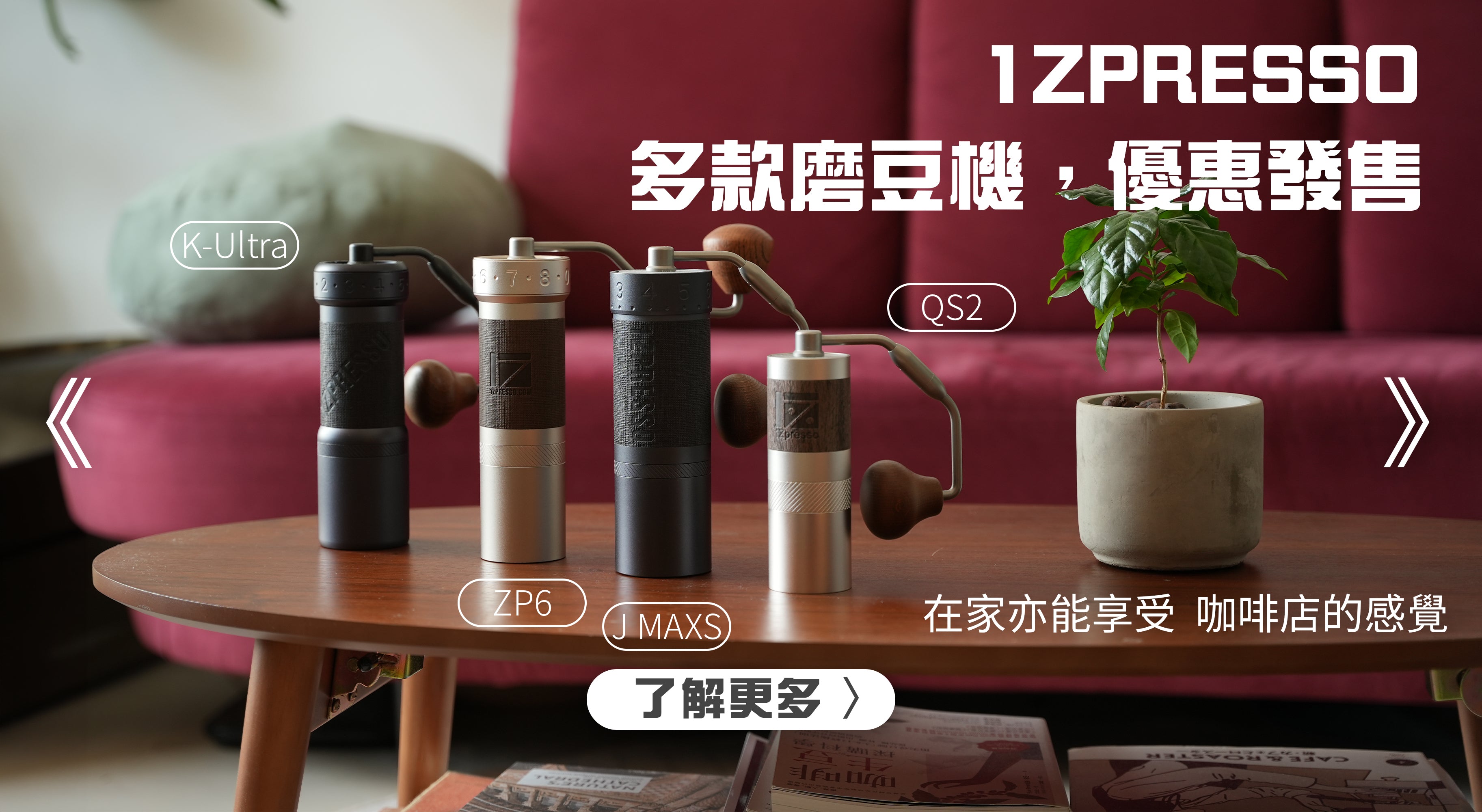
The 1Zpresso brand has many J, K and Q models. Premium 1Zpresso grinders such as X-Pro, K-Plus and K-Ultra can approach the pour-over level of C40 and Kinu, especially in clarity and aroma. Users describe the 1Zpresso style as clean and comfortable, with slightly less fine-flavour definition than C40 but at roughly half the price. The 1Zpresso still offers far better uniformity than entry grinders. Overall, C40 leads slightly in aromatic layers, Kinu in uniform sweetness, and 1Zpresso in high-value near-flagship performance.

Espresso grind fineness and stability
Espresso demands extremely fine, stable adjustment because small changes affect flow and concentration. The Kinu M47 Series has a clear advantage through its stepless micro-adjustment, officially stated to adjust within 2 micrometres. Models such as the Classic and Rebel include a locking ring to hold a chosen setting. Kinu is especially praised for stable, repeatable adjustment—small changes produce predictable flavour shifts. Tests report that the central flavour stays stable as grind size changes, allowing precise flavour tuning. Uniform grounds with fewer fines also help maintain flow at high coffee-to-liquid ratios and pressure for rich espresso with fewer unwanted flavours. This is why some describe the Kinu M47 as built for espresso: “The Kinu M47 is exceptionally well suited to espresso.”
Espresso is less of a strength for the Comandante C40. Its C40 uses stepped adjustment(about 30 micrometres per click). Even the latest MK4 still adjusts one internal ratchet step at a time, with somewhat insufficient precision for the full range of espresso machines. The C40 is slower and harder to turn at very fine settings. Some users find espresso grinding with C40 exhausting, although others say C40 espresso can even beat electric grinders; one user’s C40 single-origin espresso beat a Niche Zero. The C40 can therefore handle occasional espresso, but repeated daily adjustment between espresso and pour-over coffee may make the C40 frustrating.

Espresso performance among 1Zpresso grinders varies by model. J-Max and JX-Pro use fine adjustment steps claimed at 8-12 micrometres per step, with external rings for easier switching. Precision is below Kinu’s stepless system but operation is intuitive. The 1Zpresso K Series can also grind espresso, though coarser steps require experience. Its centring structure is slightly less stable than Kinu’s, with possible minimal burr movement in 1Zpresso models, usually without affecting extraction. Its advantage is value for money: premium 1Zpresso models often cost only a little over half as much as Kinu while supporting daily espresso.
User experience and design
Beyond flavour, daily use matters. Here Kinu, Comandante and 1Zpresso each have strengths.
-
Grinding feel: The weight and stability of the Kinu M47 Series make grinding smooth and planted. The Classic’s resistance and bearings are praised for a satisfying feel. Kinu also adds a thumb grip pad to prevent slipping. The smooth cylindrical Comandante C40 may require a silicone band or glove. Most 1Zpresso models have convenient external adjustment and comfortable proportions, but Kinu’s four-bearing design generally feels smoother during long sessions.
-
Adjustment convenience: 1Zpresso performs best here, with many models using an external adjustment ring that is clear and beginner-friendly. Kinu requires loosening the top lock nut, turning the lower ring and locking it again. It takes practice but offers finer stepless control. The Comandante C40 uses an internal ratchet and requires counting clicks; frequent switching may make the C40 cumbersome. In ease of use, 1Zpresso > Kinu > C40 each involves trade-offs, while convenience-focused users may prefer 1Zpresso or another stepped grinder.
-
Portability and cleaning: Phoenix is the lightest Kinu; Rebel and Classic are heavier and larger. At home that weight improves stability. The Comandante C40 sits between Phoenix and Classic at about 600-plus grams. Compact 1Zpresso models such as Q2 weigh under 400 grams and suit travel, though efficiency and uniformity trail large-burr Kinu models. Kinu and Comandante are easy to dismantle. Kinu’s open top makes residue easier to clear, while C40 can trap fragments near the upper shaft. Fortunately, C40 MK4 improved the internal frame. Overall, for user experience focused on grinding enjoyment and stability, Kinu leads; for lightness and convenience, 1Zpresso has an advantage;C40 sits between them, winning with excellent materials and aesthetic design—its wooden handles and colours strongly appeal to coffee enthusiasts.

A guide for different coffee enthusiasts
The Kinu M47 Series, Comandante and 1Zpresso suit different users. Here are suggestions for common needs:
-
Espresso enthusiasts seeking maximum performance: Choose the Kinu M47 Classic 2024. Its fine-setting stability, control of fines and adjustment precision suit demanding espresso. If budget and availability permit,Kinu M47 Titan offers the same espresso performance at lower weight plus collectability. Comandante C40 is less convenient for daily espresso, while premium 1Zpresso models still trail Kinu slightly in flavour and stability.
-
Coffee tasters devoted to single-origin pour-over coffee: If you focus on pour-over methods (V60, French press, AeroPress and others) and enjoy light-roast aroma and acidity,Comandante C40 MK4 is an ideal option. The C40 is highly regarded for layered flavour and clarity, and many competition professionals use it. The C40 also adds visual appeal through its wooden handle and colours. If you occasionally brew espresso,Kinu M47 Phoenix 2024 deserves attention for uniform grinding, a full sweet cup and easy portability.For budget-conscious beginners upgrading pour-over coffee,1Zpresso JX-Pro or K-Plus can noticeably improve flavour at a lower price.
-
Users who frequently switch brewing methods: They need wide grind coverage and convenient adjustment.Kinu M47 Rebel is a strong compromise, covering French press through espresso with fine stepless control and an all-metal build. Recorded settings can be reproduced. Comandante C40 requires recounting clicks; externally adjusted 1Zpresso models switch easily, but some may not reach the finest espresso range. For those balancing broad versatility and adjustment convenience, Rebel—or Phoenix when pour-over is the priority—is a capable all-round companion.
-
Value-focused beginners with limited budgets: When budgets are tight,some 1Zpresso models offer the best value. At about HKD$750-HK$1,700, a JX-Pro with an aluminium-alloy body, 48mm steel burrs and external adjustment can improve flavour without excessive cost. If Kinu or Comandante is beyond reach, starting with 1Zpresso is sensible before upgrading later.Kinu Phoenix may also be exceptional value during a promotion, such as a Hong Kong price of HK$1799, offering much of flagship performance at a mid-range price.
Conclusion and summary
The Kinu M47 Series is highly regarded for engineering and grinding performance. Phoenix is portable and accessible; Rebel is versatile and good value; Classic is the all-metal regular flagship for serious enthusiasts; Titan is a limited titanium collectible.
Against Comandante C40 and 1Zpresso, each has strengths. Comandante stands out for aromatic layers in pour-over coffee, 1Zpresso offers affordable near-flagship performance, and Kinu leads in uniformity, espresso precision and construction. Pour-over drinkers seeking clean, bright cups may prefer C40, while those who like sweet, full cups may favour Kinu. Kinu’s stepless adjustment and stable centring suit espresso. Overall, the Kinu M47 Series covers several brewing methods with durability and usability. If you want a long-term manual grinder, the Kinu M47 Series belongs on the shortlist, subject to model and budget.